
Dental Crowns Adamsville
Maintain Perfect Oral Health and Prevent Dental Problems with Professional Dental Cleanings in Adamsville, TN
Keep your teeth and gums healthy for life while preventing cavities, gum disease, and expensive dental problems through regular professional cleanings that remove harmful plaque and bacteria your toothbrush can’t reach.
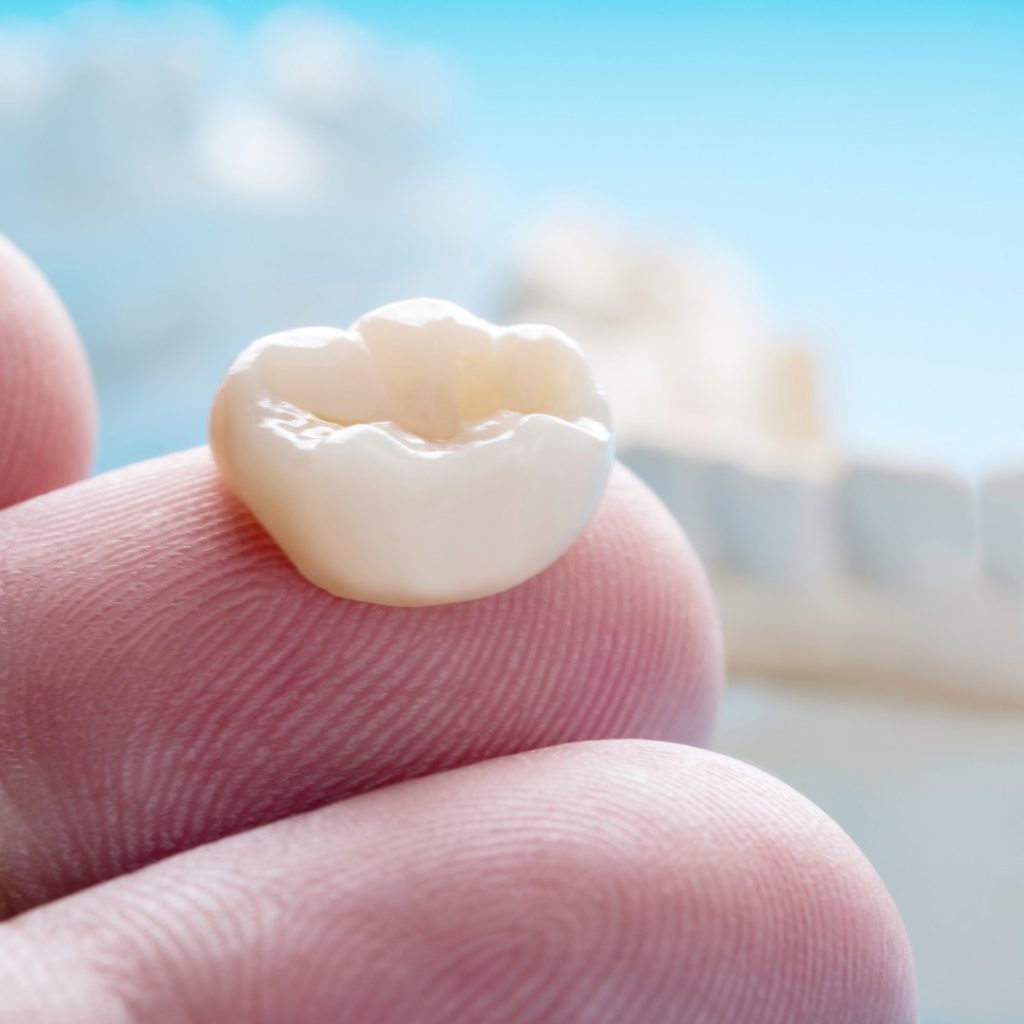
Life-Restoring Benefits of Dental Crowns
- Complete Tooth Restoration: Rebuild severely damaged teeth to full strength and function
- Natural Appearance: Modern materials create crowns indistinguishable from your natural teeth
- Long-Lasting Protection: Durable restorations provide decades of reliable service with proper care
- Preserve Natural Teeth: Save teeth that would otherwise require extraction and replacement
- Improved Chewing Function: Restore your ability to eat all foods comfortably and efficiently
- Enhanced Confidence: Smile freely without worrying about damaged or unsightly teeth
- Prevent Further Damage: Protect weakened teeth from fractures and additional problems
- Multiple Material Options: Choose from porcelain, ceramic, or gold based on your needs and preferences
- Same-Day Options: CEREC technology allows crown completion in a single appointment
- Comprehensive Protection: Cover entire tooth surface for maximum strength and durability

Understanding When Dental Crowns Are Necessary
Dental crowns become necessary when teeth are too damaged to be adequately restored with fillings, but can still be saved from extraction. Dr. Deaton carefully evaluates each situation to determine whether crown treatment is the most appropriate solution for restoring function and preserving your natural tooth.
Large cavities that have destroyed significant tooth structures often require crown coverage for adequate strength and protection. When more than half of a tooth’s structure is compromised by decay, a crown typically offers better long-term results than large fillings.
Root canal-treated teeth usually need crown protection because the procedure removes the tooth’s blood supply, making the remaining structure more brittle and prone to fracture. Crowns provide essential protection that helps ensure the long-term success of endodontic treatment.
Severely worn teeth from grinding, acid erosion, or normal aging may require crowns to restore proper height, shape, and function. This restoration improves appearance and helps maintain adequate bite relationships and jaw function.
Cracked or fractured teeth often need crown coverage to prevent further damage and hold the remaining tooth structure together. Early crown placement can save teeth that might otherwise fracture completely and require extraction.
Advanced Crown Materials and Options
All-ceramic crowns provide the most natural appearance and are ideal for front teeth, where aesthetics are paramount. Modern ceramic materials offer excellent strength while maintaining the light transmission properties that create lifelike results.
Porcelain-fused-to-metal crowns combine the strength of metal with the appearance of porcelain, making them excellent choices for back teeth that must withstand heavy chewing forces while maintaining pleasing aesthetics.
Zirconia crowns offer exceptional strength and durability, making them ideal for patients who grind their teeth or need restorations in high-stress areas. These high-tech ceramic materials are virtually unbreakable while providing excellent aesthetics.
Gold crowns remain the gold standard for longevity and biocompatibility, particularly for back teeth where maximum durability is more important than aesthetics. Gold crowns can last for decades with minimal maintenance.
Lithium disilicate crowns provide an excellent balance of strength and aesthetics. They offer superior durability compared to traditional porcelain while maintaining an excellent natural appearance.
The Complete Crown Process
A comprehensive evaluation begins with a thorough examination and X-rays to assess the tooth’s condition and determine the most appropriate treatment approach. Dr. Deaton explains the procedure and answers all your questions before beginning treatment.
Tooth preparation involves carefully removing damaged tooth structure and shaping the remaining tooth to provide optimal support for the crown. Modern techniques preserve as much healthy tooth structure as possible while ensuring adequate strength.
Impression taking captures precise details of your prepared tooth and surrounding structures. Digital impressions may be used for superior accuracy and patient comfort compared to traditional impression materials.
Temporary crown placement protects your prepared tooth while your permanent crown is being fabricated. The temporary crown maintains function and appearance during the fabrication period.
Crown delivery involves carefully fitting and adjusting your new crown to ensure a perfect fit, proper bite relationships, and optimal comfort. Final cementation permanently bonds the crown to your tooth.
CEREC Same-Day Crown Technology
CEREC technology allows Dr. Deaton to design, create, and place your crown in a single appointment, eliminating the need for temporary crowns and multiple visits. This advanced system provides convenience without compromising quality.
Digital scanning replaces traditional impressions with comfortable, accurate digital imaging that captures every detail of your tooth preparation. This technology improves accuracy while eliminating the discomfort of impression materials.
Computer-aided design allows precise crown creation using sophisticated software that considers your bite relationships, adjacent teeth, and aesthetic requirements. You can even see your crown design before it’s manufactured.
In-office milling creates your crown from a solid block of high-quality ceramic material while you wait. The precision manufacturing process ensures optimal fit and natural appearance.
Immediate placement means you leave the office with your permanent crown the same day, avoiding the inconvenience and potential problems associated with temporary restorations.
Aesthetic Considerations and Color Matching
Shade selection involves careful analysis of your natural tooth color under different lighting conditions to ensure perfect color matching. Advanced shade guides and digital photography help achieve optimal results.
Translucency and texture matching create crowns that blend seamlessly with your natural teeth. Modern materials can replicate the subtle variations in opacity and surface texture that make teeth look natural.
Gum line integration ensures crown margins are positioned optimally for health and aesthetics. Proper margin placement prevents gum irritation while maintaining a natural appearance.
Facial proportions and smile design considerations help ensure that crowned teeth enhance rather than detract from your overall facial aesthetics and harmony.
Aging and wear simulation help create crowns that match the natural aging characteristics of your existing teeth, ensuring long-term aesthetic integration.
Crown Placement for Different Situations
Single crown replacement addresses individual damaged teeth while preserving the health and position of adjacent teeth. This conservative approach maintains maximum natural tooth structure.
Multiple crown restoration may be necessary when several teeth require treatment. Careful planning ensures that all crowns work together harmoniously for optimal function and aesthetics.
Bridge anchor crowns support fixed bridges that replace missing teeth. They must be designed to handle additional forces from the artificial teeth they support.
Implant crowns replace missing teeth by attaching to dental implants. Because of the different support structure, these crowns must be designed differently from those placed on natural teeth.
Through comprehensive treatment planning, full mouth reconstruction using crowns can restore severely damaged dentitions to optimal health, function, and appearance.
Caring for Your Dental Crowns
Daily oral hygiene remains crucial for crown longevity. Regular brushing and flossing prevent decay and gum disease around crown margins. Proper cleaning techniques help ensure optimal crown performance.
Professional cleanings and examinations allow Dr. Deaton to monitor your crowns and address any issues before they become serious problems. Regular maintenance helps maximize crown lifespan.
Dietary considerations include avoiding tough foods that could damage crowns and avoiding sticky foods that might dislodge temporary restorations.
Protective measures such as night guards help prevent damage from teeth grinding or clenching that could fracture crowns or loosen the cement bond.
Problem recognition helps you identify signs that require professional attention, such as sensitivity, rough edges, or changes in the feel of your bite.
Longevity and Maintenance
Crown lifespan varies based on materials, location, and individual factors, but most crowns last 15-30 years with proper care. Quality materials and precise fitting contribute to exceptional longevity.
Factors affecting durability include oral hygiene, grinding habits, diet, and the amount of remaining natural tooth structure. Understanding these factors helps maximize crown lifespan.
Warning signs of crown problems include sensitivity, pain, rough edges, or changes in bite relationships. Early detection and treatment prevent minor issues from becoming serious complications.
The timing of replacement depends on crown condition and patient preferences. Some crowns may need replacement due to wear, while others may require updating for aesthetic reasons.
Preventive care through regular dental visits and good oral hygiene significantly extends crown lifespan while maintaining optimal oral health.
Insurance and Financial Considerations
Crown coverage varies by insurance plan but is typically classified as a major restorative procedure with 50-80% coverage after deductibles. Understanding your benefits helps plan for treatment costs.
Pre-authorization services help clarify coverage before treatment begins, preventing surprises and allowing for informed financial planning.
Alternative treatments, like large fillings or extractions, may have different insurance coverage levels. Comparing coverage helps in making treatment decisions.
Payment plans and financing options make crown treatment accessible for patients without adequate insurance coverage, and flexible arrangements ensure that necessary treatment isn’t delayed.
Long-term value considerations include the cost of crown treatment versus the expense of extraction and replacement with implants or bridges.
Managing Crown Complications
Sensitivity after crown placement is common initially but should gradually decrease. Persistent sensitivity may indicate bite adjustment needs or other issues requiring professional attention.
Crown loosening or loss requires immediate professional attention to prevent damage to the underlying tooth. Emergency protocols help manage these situations until definitive treatment is possible.
Bite problems after crown placement can usually be resolved through minor adjustments. Proper bite relationships are essential for crown longevity and patient comfort.
Gum irritation around new crowns may occur initially but should resolve as tissues adapt. Persistent irritation may indicate margin adjustment needs.
Aesthetic concerns about crown appearance can often be addressed through adjustments or replacement. Patient satisfaction with crown appearance is a priority.
Special Considerations for Different Patients
Elderly patients may have special considerations, including medication effects, healing capacity, and aesthetic preferences that influence crown treatment planning and execution.
Patients with medical conditions such as diabetes or heart disease may require modified treatment protocols and careful coordination with medical providers.
Pregnant patients can receive crown treatment with appropriate timing and precautions. Elective treatment is typically postponed, but necessary crown work can be performed safely.
Pediatric patients rarely need crowns on permanent teeth, but when necessary, special considerations must be made to accommodate ongoing dental development.
Anxious patients benefit from sedation options and detailed communication about the crown process to ensure comfortable treatment experiences.
Technology Integration
Digital workflow systems integrate all aspects of crown treatment from diagnosis through delivery, improving efficiency and accuracy while enhancing patient communication.
CAD/CAM technology enables precise crown design and manufacturing with consistent quality and excellent fit. Computer-controlled processes reduce human error and improve outcomes.
3D imaging provides detailed information about tooth structure and surrounding anatomy, enabling optimal crown design and placement planning.
Laser dentistry may be used for crown preparation and gum contouring to improve precision and patient comfort during treatment.
Virtual treatment planning allows patients to see expected results before treatment begins, improving communication and ensuring satisfaction with planned outcomes.
Quality Assurance and Outcomes
Laboratory partnerships with skilled dental technicians ensure crowns meet the highest fit, function, and aesthetics standards. Quality control processes maintain consistent excellence.
Follow-up protocols monitor crown performance and patient satisfaction, allowing early detection and correction of any issues that might develop.
Outcome measurement tracks crown success rates and patient satisfaction to improve treatment protocols and results continuously.
Continuing education ensures that Dr. Deaton stays current with the latest crown materials and techniques for optimal patient outcomes.
Professional standards guide all aspects of crown treatment to ensure patients receive the highest quality care.
Why Choose Adamsville Family Dentistry for Crowns
Dr. Deaton’s extensive experience in crown treatment ensures that you receive expert care using the latest materials and techniques for optimal results. Attention to detail and commitment to excellence provide superior outcomes.
Our comprehensive approach to crown treatment includes thorough evaluation, precise preparation, and careful attention to function and aesthetics. We believe that crowns should enhance both oral health and appearance.
Located in Adamsville, our practice has earned a reputation for exceptional crown work that restores damaged teeth to full function and natural beauty.
The advanced technology and materials available at Adamsville Family Dentistry ensure that your crowns provide optimal durability, comfort, and aesthetics for years of reliable service.
Restore Your Teeth and Your Confidence
Don’t let damaged teeth continue to affect your ability to eat, speak, and smile with confidence. Modern crown treatment can restore your teeth to full function and natural appearance.
The investment in crown treatment pays dividends in terms of improved oral health, restored function, and enhanced confidence. Quality crowns provide decades of reliable service when properly maintained.
Dr. Deaton and our skilled team are committed to providing crown treatment that exceeds your expectations for both quality and service, ensuring optimal outcomes that enhance your oral health and quality of life.
Take the first step toward restoring your damaged teeth to full health and beauty. Call Adamsville Family Dentistry at 731-632-3371 to schedule your crown consultation with Dr. Deaton and learn how we can restore your teeth to optimal function and appearance, or schedule your appointment now to receive the expert evaluation and superior crown treatment that will transform your damaged teeth into strong, beautiful restorations that enhance your smile and restore your confidence for years to come.

Routine Check-Ups
Regular dental visits help detect issues early, ensuring optimal oral health and preventing major problems.

Professional Cleanings
Our thorough cleanings remove plaque and tartar buildup, reducing the risk of cavities and gum disease.

Tooth-Colored Fillings
We use high-quality, tooth-colored fillings to restore damaged teeth and protect them from further decay.

Tooth Extractions
When necessary, we perform extractions safely and comfortably to maintain overall dental health.